

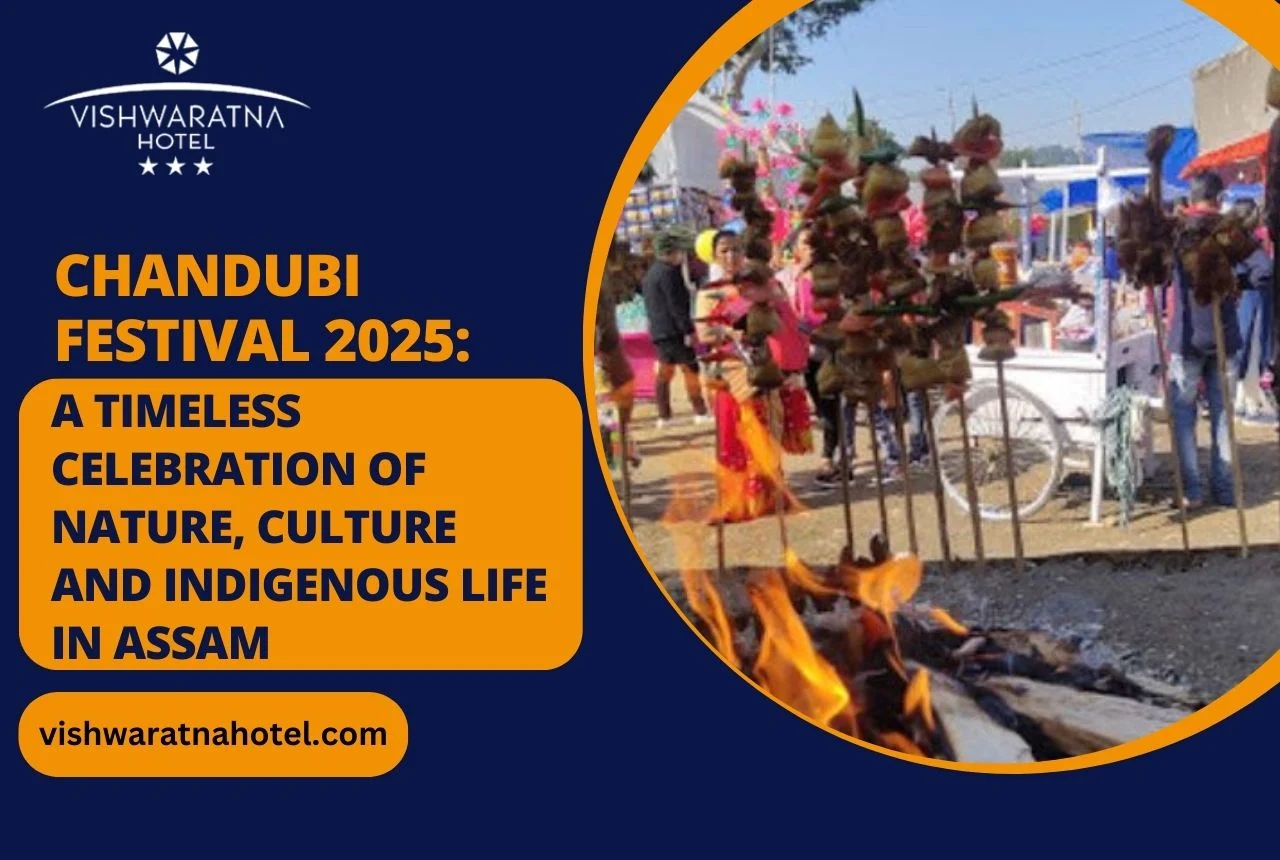
Experience the Chandubi Festival 2025 at Chandubi Beel, where culture, tradition, scenic beauty and sustainable tourism come together in the heart of Assam.
Assam is known for its extraordinary ability to blend natural beauty with living traditions, and few cultural events illustrate this harmony as effectively as the Chandubi festival. Rooted in indigenous heritage and celebrated amidst breathtaking landscapes, this festival represents the soul of rural Assam.
Set against the serene backdrop of Chandubi beel, the event is not merely a cultural gathering but a holistic experience that unites tradition, ecology, and community participation.
Over the years, the festival has evolved into a significant cultural landmark, attracting visitors who seek authenticity, cultural depth, and an immersive connection with nature. Chandubi Festival 2025 continues this legacy, offering a meaningful celebration that reflects Assam’s enduring respect for its land and people.
Historical Roots and Cultural Evolution
The origins of the Chandubi festival can be traced back to the traditional practices of indigenous communities, particularly the Rabha tribe and other ethnic groups residing in the surrounding regions. Historically, the festival emerged as a communal celebration associated with seasonal cycles, agricultural rhythms, and collective thanksgiving. It served as an occasion for communities to come together, strengthen social bonds, and pass down cultural knowledge across generations.
The location of Chandubi beel has always played a crucial role in shaping the festival’s identity. The wetland has been central to local livelihoods, folklore, and spiritual beliefs, making it a natural focal point for a celebration grounded in coexistence with nature. Over time, what began as a local gathering has transformed into a culturally significant event that still retains its original essence.
Chandubi Beel: The Heart of the Celebration
The natural setting of the festival is one of its most defining features. Chandubi beel is a freshwater wetland surrounded by lush hills and dense greenery, offering a tranquil environment rarely found in modern festival venues. Its calm waters and open landscapes create a sense of serenity that enhances the overall festival experience.
Beyond its visual appeal, Chandubi beel holds ecological importance. The wetland supports diverse flora and fauna and plays a vital role in maintaining the local ecosystem. By hosting a cultural event in such a sensitive natural zone, the festival reinforces the message that cultural celebration and environmental responsibility can coexist harmoniously.
Cultural Performances and Traditional Expressions
At the core of the Chandubi festival lies a vibrant display of Assam’s indigenous culture. Traditional dance forms, folk music, and ritual performances dominate the festival grounds, offering visitors an authentic glimpse into the region’s artistic heritage. These performances are deeply symbolic, often reflecting themes of nature, harvest, community unity, and ancestral reverence.
The open-air setting near Chandubi beel amplifies the emotional impact of these performances. The absence of artificial staging allows art forms to unfold in their most organic form, preserving their originality and cultural integrity. For many attendees, witnessing these performances in such a natural environment becomes a deeply moving experience.
Local Cuisine and Handicrafts
No cultural festival is complete without its culinary traditions, and the Chandubi festival is no exception. Local food stalls showcase traditional Assamese dishes prepared using age-old recipes and locally sourced ingredients. These offerings provide visitors with a sensory journey into the region’s culinary heritage.
Artisans from nearby villages display handcrafted products inspired by everyday rural life and natural motifs drawn from Chandubi beel and its surroundings. Handwoven textiles, bamboo crafts, and traditional ornaments reflect both functionality and artistic expression. Supporting these artisans contributes directly to preserving indigenous craftsmanship and sustaining rural livelihoods.
Nature-Based Experiences and Responsible Tourism
One of the unique aspects of the Chandubi festival is its emphasis on experiential tourism. Visitors are encouraged to engage with the environment responsibly through guided nature walks, birdwatching activities, and boating experiences. These activities are designed to foster appreciation for the natural ecosystem without disturbing its balance.
The presence of Chandubi beel as a central attraction makes environmental awareness an integral part of the festival. Educational initiatives and guided interactions help visitors understand the ecological value of wetlands and the importance of conservation. This approach positions the festival as a model for sustainable cultural tourism.
Community Participation and Social Impact
The success of the Chandubi festival is largely driven by active community involvement. Local residents play a vital role in organising events, performing cultural programs, managing logistics, and welcoming visitors. This collective participation ensures that the festival remains authentic and community-led rather than commercially driven.
Economic opportunities generated during the festival benefit families connected to Chandubi beel through tourism-related activities such as guiding, handicraft sales, and local food services. The festival thus functions as a platform for inclusive growth while reinforcing pride in cultural identity.
Chandubi Festival 2025: Preserving Heritage for Future Generations
As cultural tourism gains momentum, the Chandubi festival stands as an example of how tradition can be preserved without compromising ecological values. Chandubi Festival 2025 is not just a celebration; it is a reminder of the importance of protecting cultural heritage and natural resources simultaneously.
The continued significance of Chandubi beel ensures that the festival remains grounded in its original purpose—celebrating life in harmony with nature. For visitors, the festival offers an opportunity to step away from urban routines and experience Assam in its most authentic form. For local communities, it represents continuity, resilience, and cultural pride.
In a rapidly changing world, events like the Chandubi festival serve as cultural anchors, reminding us that progress does not require abandoning tradition. Instead, it thrives when tradition and sustainability move forward together, guided by respect for land, people, and shared history.